

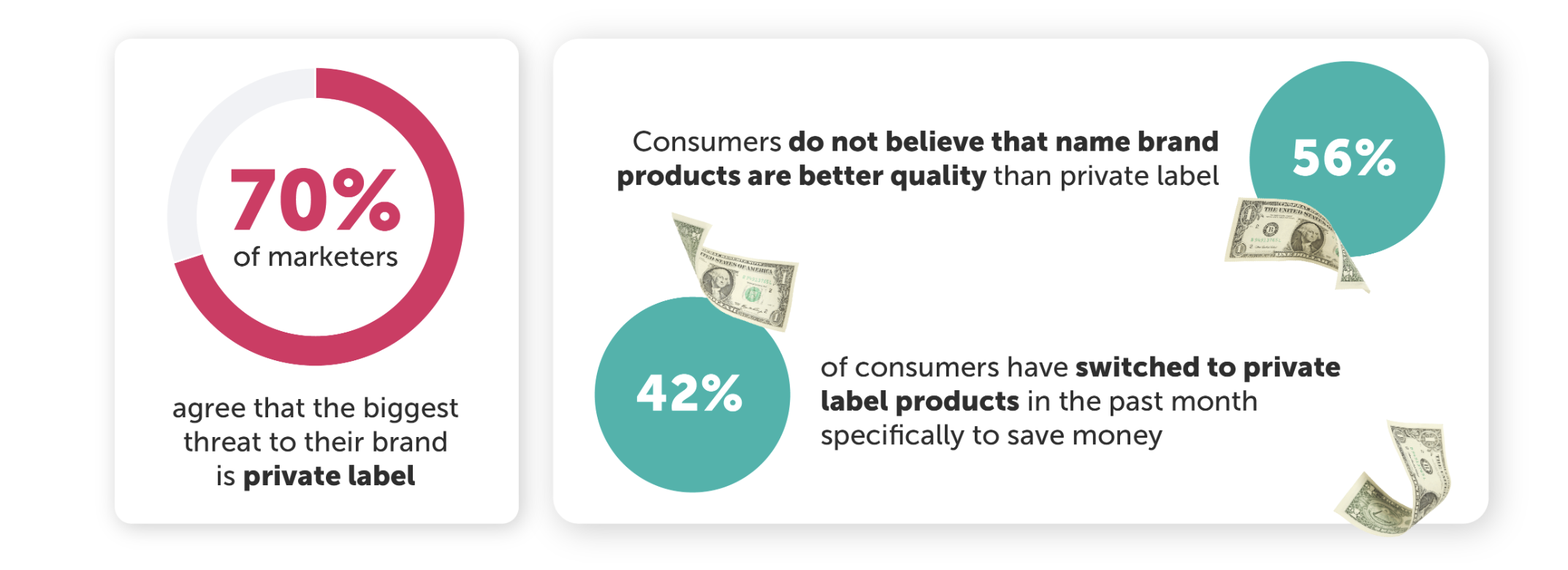
Customer loyalty is strained like never before. With the pressures of inflation and an uncertain political outlook, customers are increasingly price-sensitive and lean on rewards and loyalty programs when making their purchase decisions. So says the 2nd Annual Ibotta State of Spending report, released 09/24/2024 and summarized in an inspiring article by Laurie Sullivan in MediaPost .
When the economy is soft, consumers are more price-sensitive and prioritize finding ways to maximize value for their spending. Loyalty programs and rewards offer tangible benefits like discounts, exclusive offers, and points that can be redeemed for future purchases, making them appealing in times of financial uncertainty.
Here’s why consumers turn to loyalty programs during tough economic times:
1. Cost Savings: Loyalty programs offer consumers ways to stretch their budgets, providing discounts, cashback, or points that can be redeemed for future purchases, helping consumers feel like they’re getting more value.
2. Exclusive Perks: Many loyalty programs offer exclusive member benefits like early access to sales, free shipping, or personalized offers. In a tough economy, these perks provide extra incentives for customers to stick with brands that offer additional value.
3. Brand Trust and Stability: Consumers tend to turn to trusted brands during uncertain times. Loyalty programs create a stronger emotional connection with the brand, making customers feel valued, which helps retain their business even when they are more cautious about spending.
4. Ease of Decision-Making: Loyalty programs reduce consumer decision fatigue by offering a “safe” choice when selecting where to shop. When budgets are tighter, customers prefer brands where they already have points or rewards to redeem.
What Can Marketers Do to Improve Loyalty Programs?
To attract more customers and boost retention through loyalty programs, marketers should focus on personalization, convenience, and relevance. Here are strategies to improve loyalty programs:
1. Enhance Personalization:
Targeted Offers: Use data-driven insights to personalize rewards and offers based on customers’ purchase history and preferences. This increases engagement by ensuring the rewards are relevant to each customer.
Segmented Rewards: Offer tiered rewards based on behavior or spending patterns. This makes high-value customers feel special while encouraging lower-tier customers to engage more for greater rewards.
2. Increase Flexibility: Omnichannel Redemption: Allow customers to earn and redeem rewards both online and in-store, ensuring seamless experiences across all touchpoints.
Flexible Reward Options: To cater to diverse customer preferences, offer a variety of redemption options, such as points for purchases, exclusive experiences, or charitable donations.
3. Improve Communication: Timely Notifications: Send customers email, SMS, or app notifications to keep them informed about their reward status, expiring points, and upcoming promotions. This encourages them to engage before points expire or deals end.
Clear Value Proposition: Make it easy for customers to understand the loyalty program’s benefits. Simple, transparent communication about what they earn and how they can redeem points boosts participation.
4. Add Experiential Rewards: Exclusive Experiences: Move beyond traditional discounts and offer unique experiences, such as VIP events, early access to new products, or personalized services, to create emotional connections with the brand.
Gamification: Introduce challenges or games within the loyalty program, encouraging customers to earn rewards by completing tasks or reaching certain milestones.
5. Leverage Partnerships: Expand Benefits: Partner with complementary brands to offer rewards across multiple businesses, making the program more attractive and versatile for consumers.
Collaborate for Exclusive Offers: Partnering to create joint promotions or offers can help both brands attract more customers and increase program engagement.
6. Utilize Data & Analytics: Predictive Analytics: Use customer data to anticipate future needs and trends. By analyzing past behavior, marketers can craft offers and promotions that proactively engage customers and keep them loyal.
Feedback Loops: Gather and analyze customer feedback to continuously improve the program, ensuring it remains valuable and aligned with customer expectations.
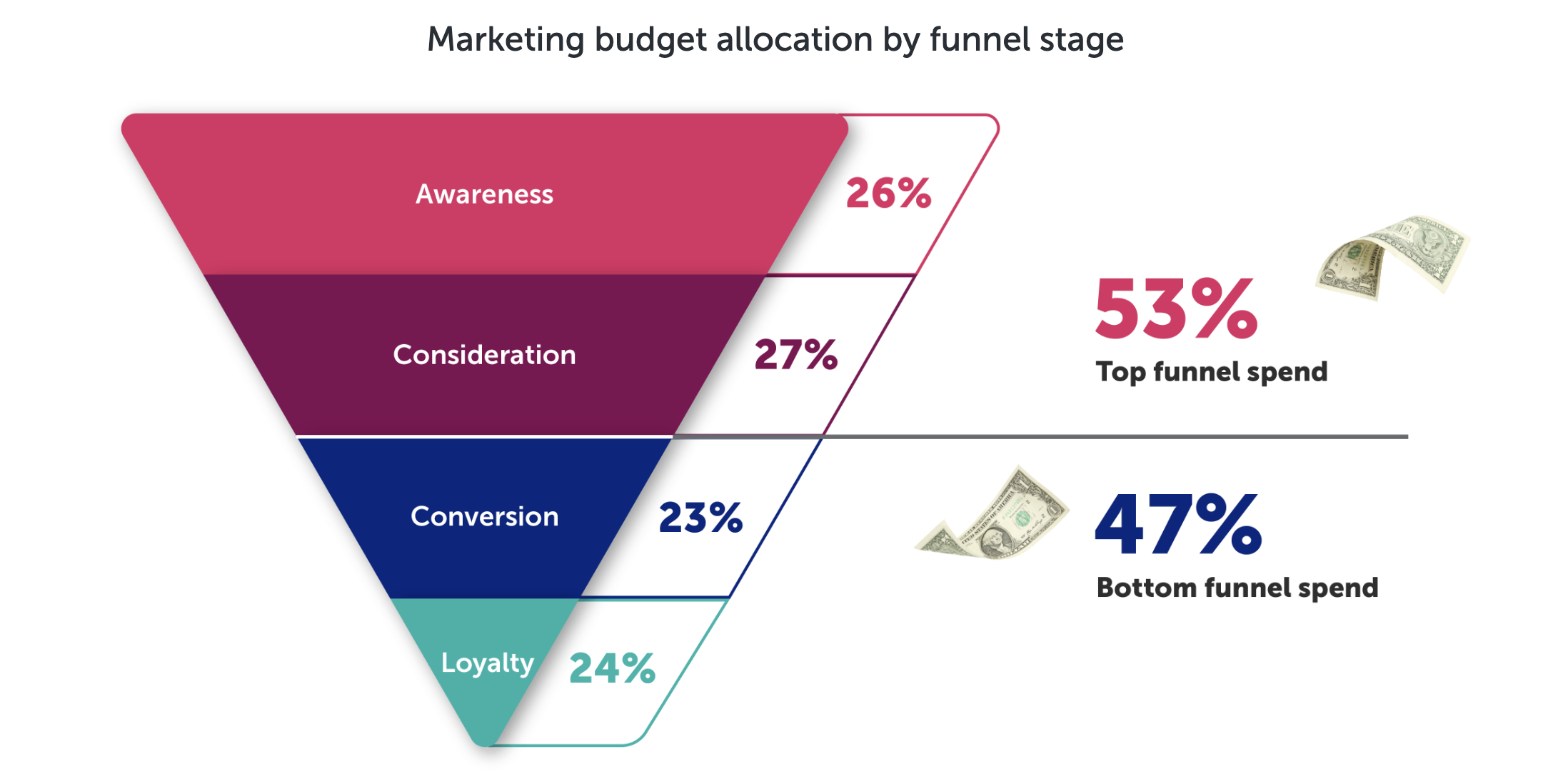
In short, loyalty programs must focus on offering straightforward, personalized value, especially in a soft economy, where consumers seek the best ways to stretch their dollars. By enhancing personalization, flexibility, and engagement, marketers can create loyalty programs that resonate with customers and drive long-term retention.

 Neil O'Keefe
Leave a comment